
How Low-Dose Atropine and MiSight Contact Lenses Help Slow Childhood Nearsightedness
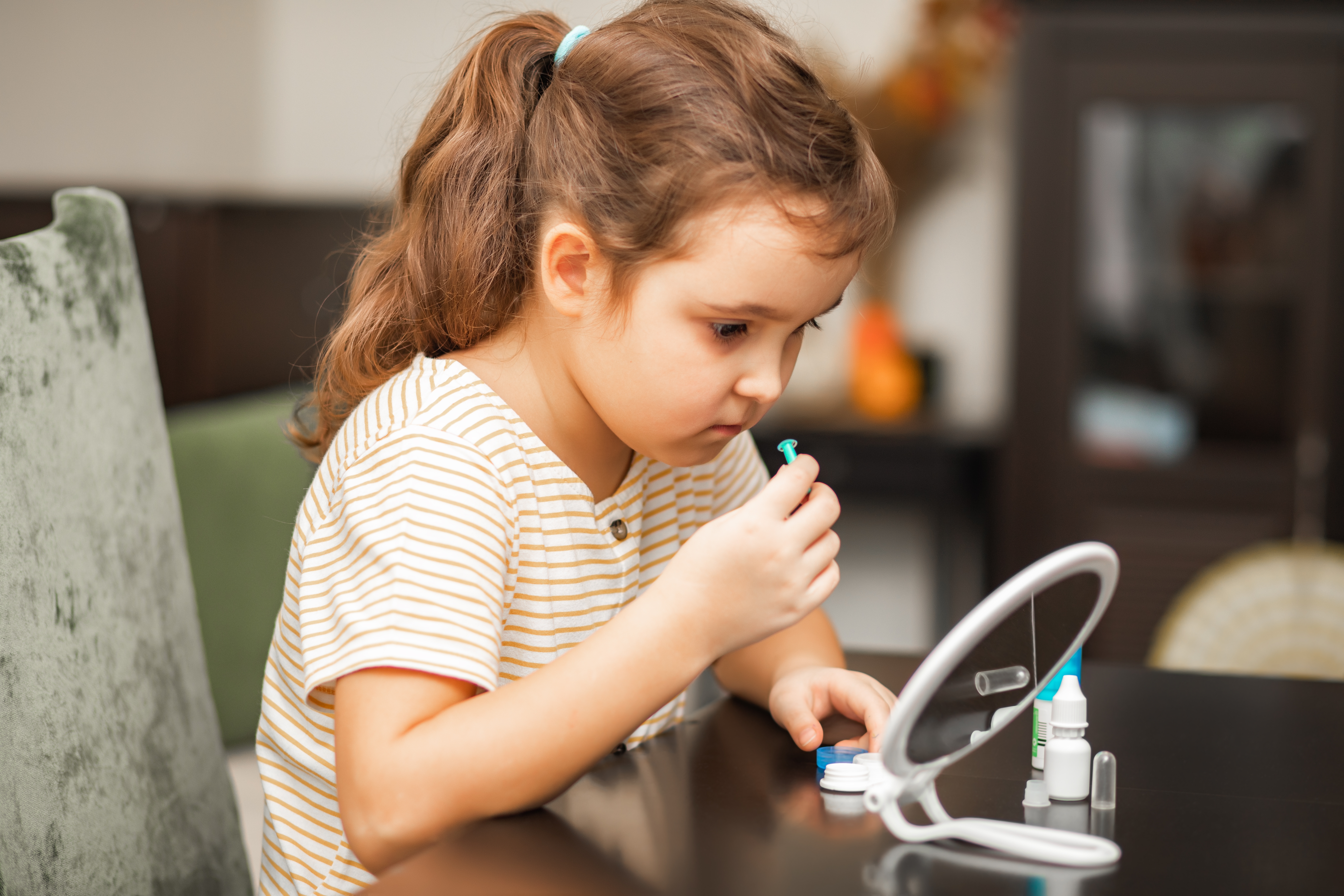
Childhood nearsightedness, also known as myopia, often progresses as children grow, making it increasingly difficult to see distant objects clearly. If your child frequently squints, struggles to see the board at school, or needs stronger glasses each year, it may be time to explore myopia management. Fortunately, treatments such as low-dose atropine eye drops and MiSight contact lenses can help slow the progression of nearsightedness and support long-term eye health. At Caldwell Eyecare in West Caldwell, NJ, we offer personalized myopia management solutions to help protect your child’s vision as they grow.
Correcting Blur And Slowing Myopia Are Different Goals
Myopia, or nearsightedness, causes distant objects to appear blurry because of how light focuses in the eye. Glasses or contact lenses can correct the child’s current blurry vision, helping them see the board, signs, sports activities, and other distant details more clearly.
Myopia management has a different purpose. It is designed to help slow future progression and eye growth in appropriate children. It does not cure or reverse existing myopia, and children may still need glasses or contact lenses for clear vision.
At our West Caldwell practice, we consider factors such as a child’s current prescription, previous prescription changes, eye health, family history, age, school demands, and ability to follow a treatment routine before discussing management options.
How Low-Dose Atropine May Help
Low-dose atropine is a prescription eye drop that may help slow myopia progression in selected children. In the United States, atropine remains an off-label treatment for myopia, meaning it is not FDA-approved specifically for myopia management.
The appropriate concentration and monitoring schedule should be individualized by the eye doctor. Response can vary from child to child. Possible side effects can include pupil dilation, light sensitivity, near blur, or an allergic reaction.
Atropine does not replace vision correction when a child needs glasses or contacts. We monitor the child over time and determine follow-up based on their individual prescription changes, eye health, treatment response, and needs rather than assuming every child follows the same annual schedule.
How MiSight 1 Day Works
MiSight 1 day is a dual-focus daily disposable contact lens designed to correct distance vision while also slowing myopia progression. Its FDA indication includes children who are 8 to 12 years old when treatment begins, provided they meet the required prescription and eye-health criteria.
Contact lens readiness matters. A child needs an appropriate lens fit, sufficient responsibility, and adult support for safe daily wear. MiSight lenses should be handled with clean, dry hands and discarded after removal. Children should not sleep, swim, or shower in the lenses or expose them to water.
If eye pain, significant redness, or blurred vision develops, the lenses should be removed and the eye care provider contacted before wear resumes.
Questions To Ask At Your Child’s Myopia Visit
Parents visiting us in West Caldwell may want to ask:
· Has my child’s prescription changed since the last exam?
· Is my child an appropriate candidate for myopia management?
· Would an eye-drop routine or daily contact lens routine fit our family better?
· What side effects or contact lens concerns should we watch for?
· When should we return to monitor progression and treatment response?
Outdoor time with appropriate sun protection and regular breaks during prolonged reading or near work can also support healthy visual habits, but these steps are adjuncts rather than cures for myopia.
If your child is having trouble seeing clearly at school or you are concerned about worsening nearsightedness, schedule a myopia evaluation with Caldwell Eyecare in West Caldwell, NJ. Call (973) 226-3333 to discuss whether low-dose atropine or MiSight may be appropriate for your child.
Quick Links
Helpful Articles
All Eye Care Services
Find personalized eye care excellence with our comprehensive services. From eye exams to advanced diagnostics, trust us for all your vision needs.

Keep In Touch
For non-urgent questions or to learn more about our services, contact us today!
© 2026 Caldwell Eyecare. All rights Reserved - Accessibility Statement - Privacy Policy - Sitemap
Managed and Designed by 